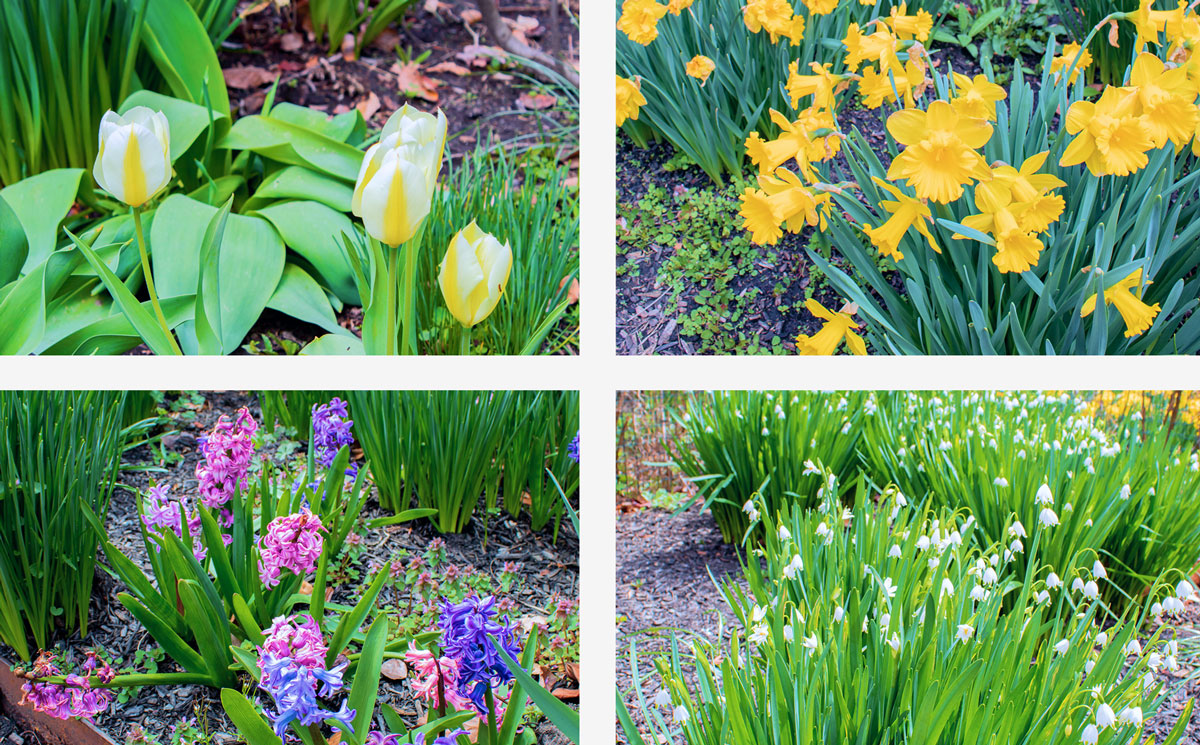
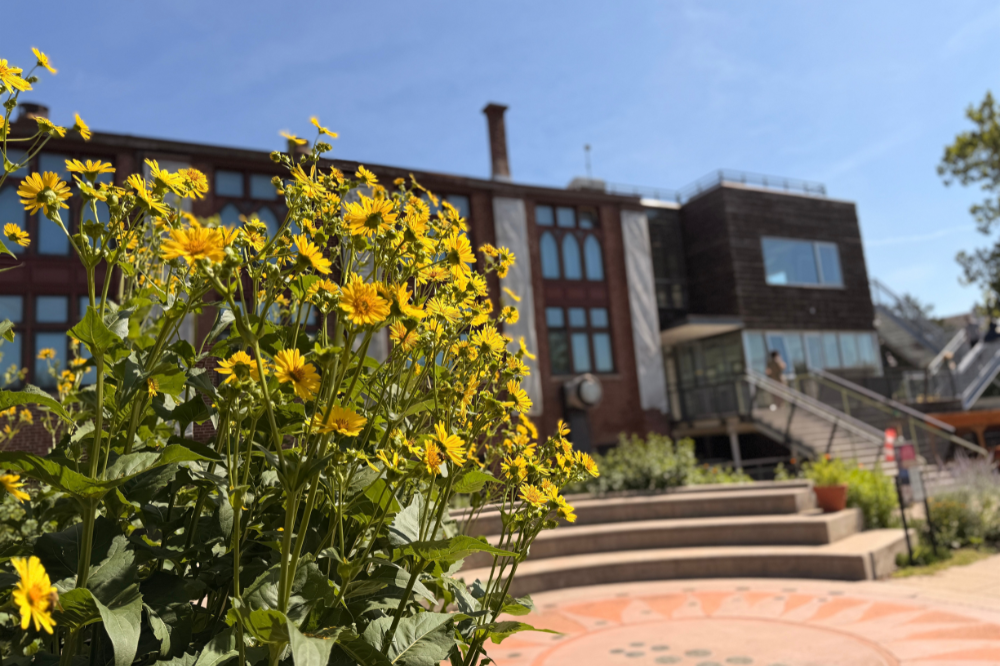
Since 2005, this educational space has featured eight themed gardens, a pond ecosystem, and a greenhouse designed to connect visitors with local sustainability. Visitors can explore at their own pace to discover seasonal wildlife and learn about urban gardening, pollinators, and environmental stewardship.
Garden Hours:
Monday – Friday
8:00 AM – 4:00 PM
Garden Hours: Monday – Friday 8:00 AM – 4:00 PM Check our calendar for updates on closures.
Interested in visiting with a group? Contact Suliama Elemam at suliama@greaternewark.org to schedule a guided tour.
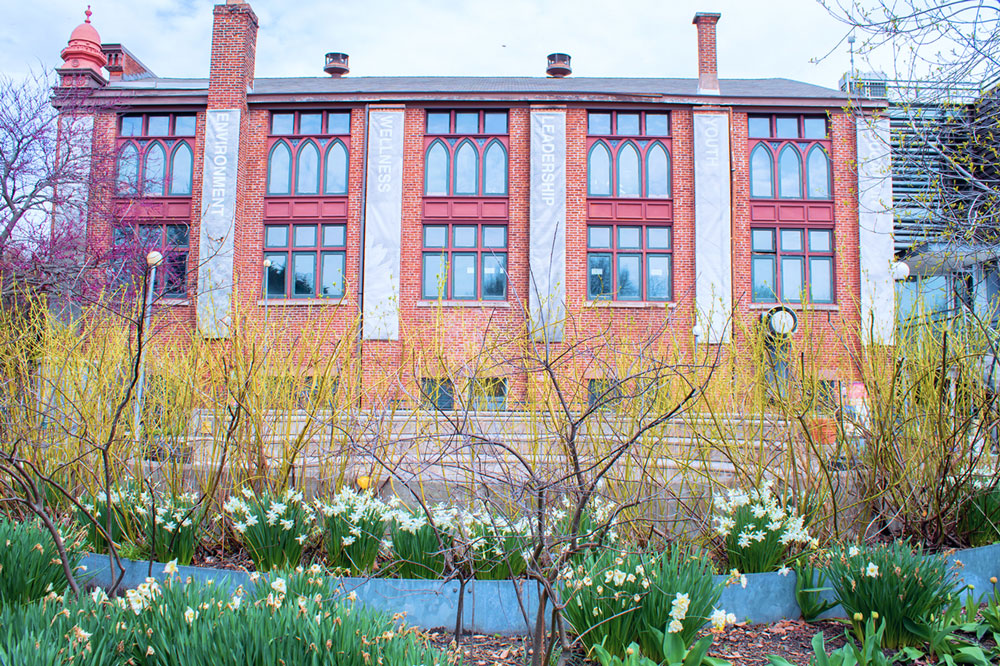
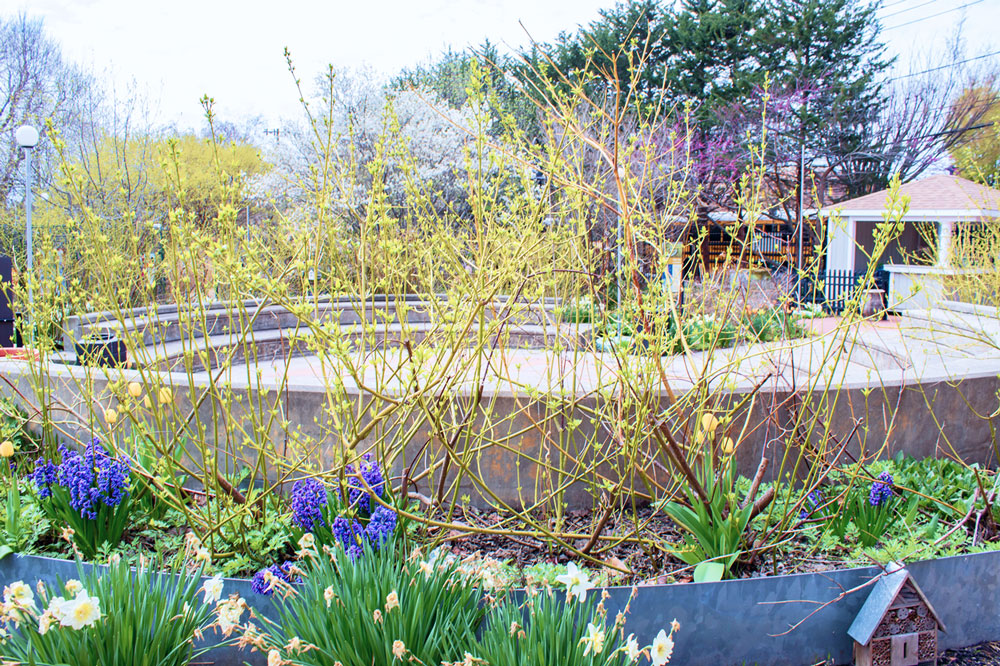
Click any garden area to open a detailed view with photos and plant information.




Pollinator Garden
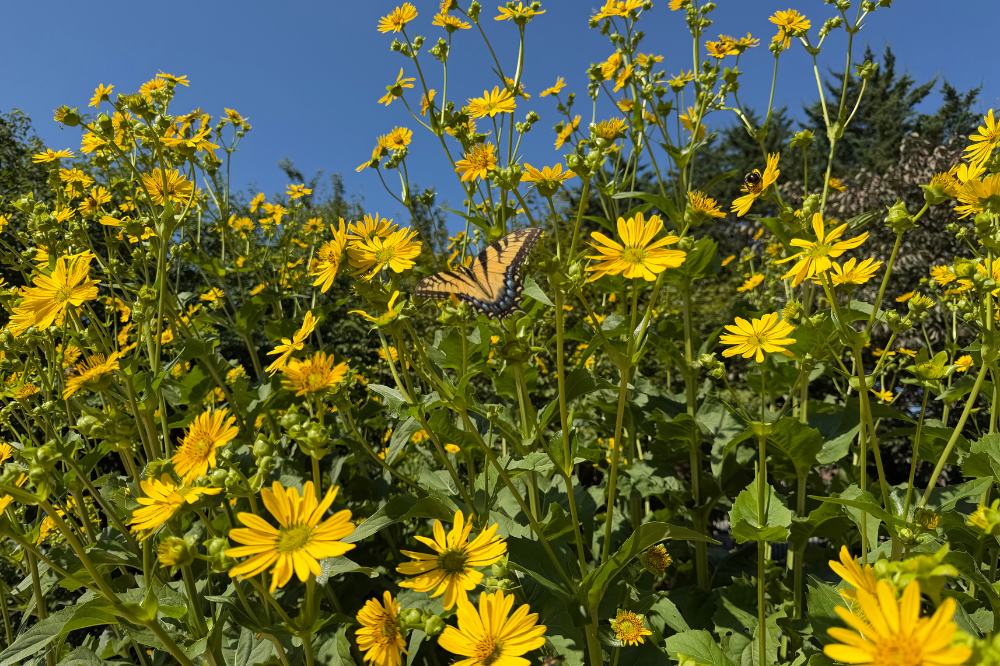
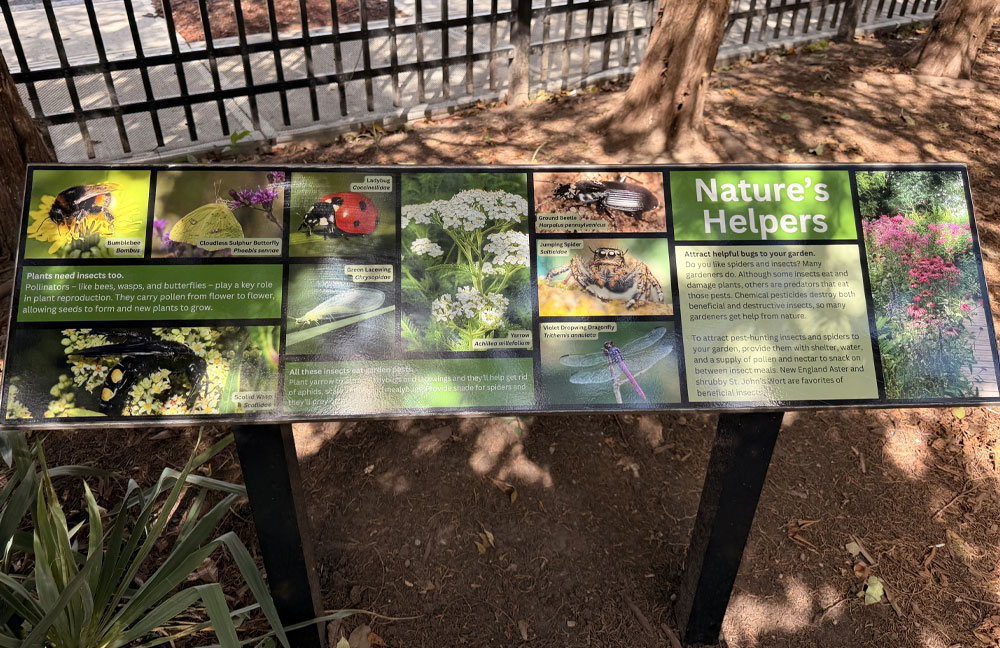
The pollinator garden supports bees, butterflies, and moths by providing nectar-rich plants that sustain pollinators throughout their life cycles. Many of these plants also serve as host plants for caterpillars and nesting habitats for solitary bees.
Woodland Garden
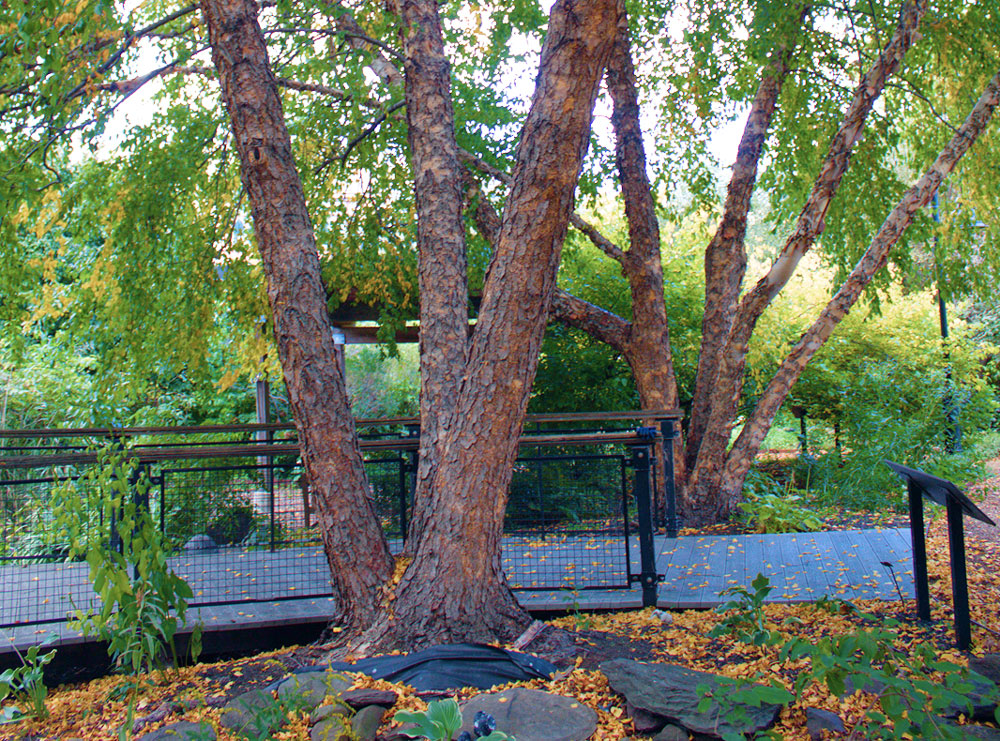
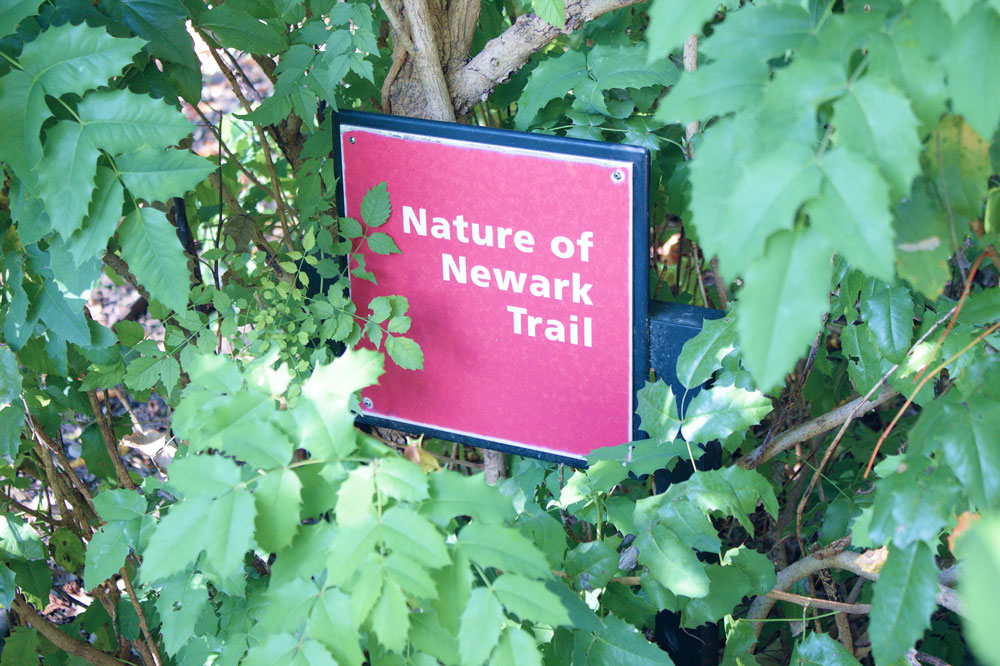
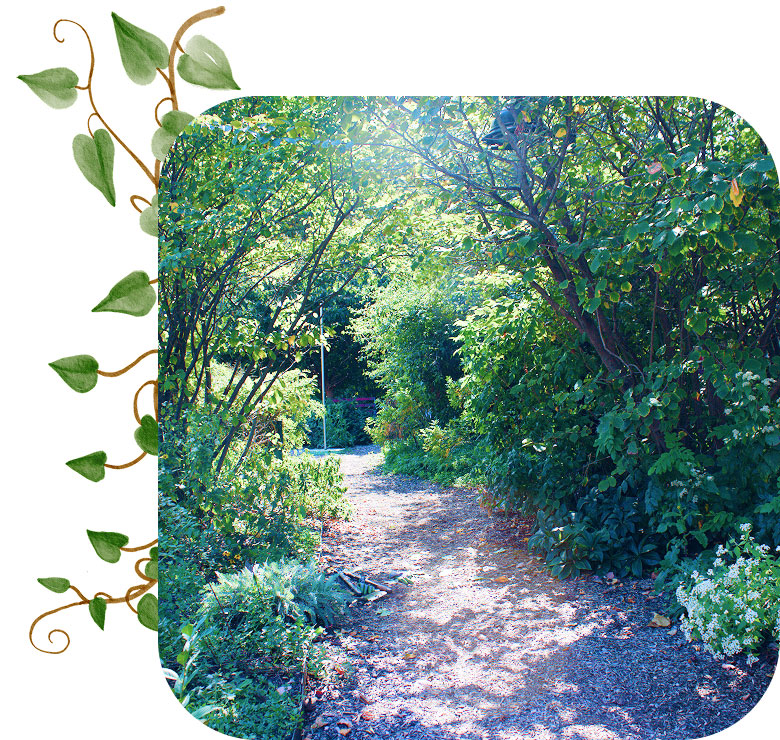
A peaceful collection of trees, shrubs, and shade-loving woodland flowers wraps around the Environmental Center, creating a cool and calming natural habitat. This includes the Nature of Newark Trail and the Wildlife Gallery.
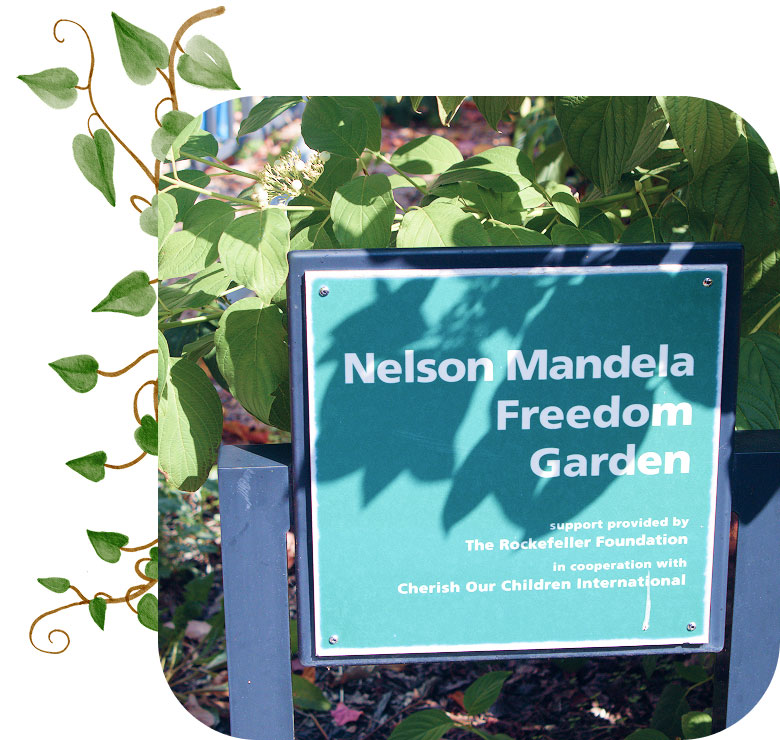
Nelson Mandela Freedom Garden
Inspired by Nelson Mandela's time tending a garden during his imprisonment on Robben Island, this garden celebrates the connection between gardening, resilience, and freedom. Here you'll find vegetables once grown in Mandela's garden alongside flowers native to South Africa, creating a unique global botanical space.
Cistern & Rain Garden
Our 650-gallon rainwater cistern, installed by the Rutgers Cooperative Extension Water Resources Project, captures an estimated 10,000 gallons of rainwater each year. Overflow water is directed into a rain garden that helps manage stormwater and prevent flooding along nearby trails.
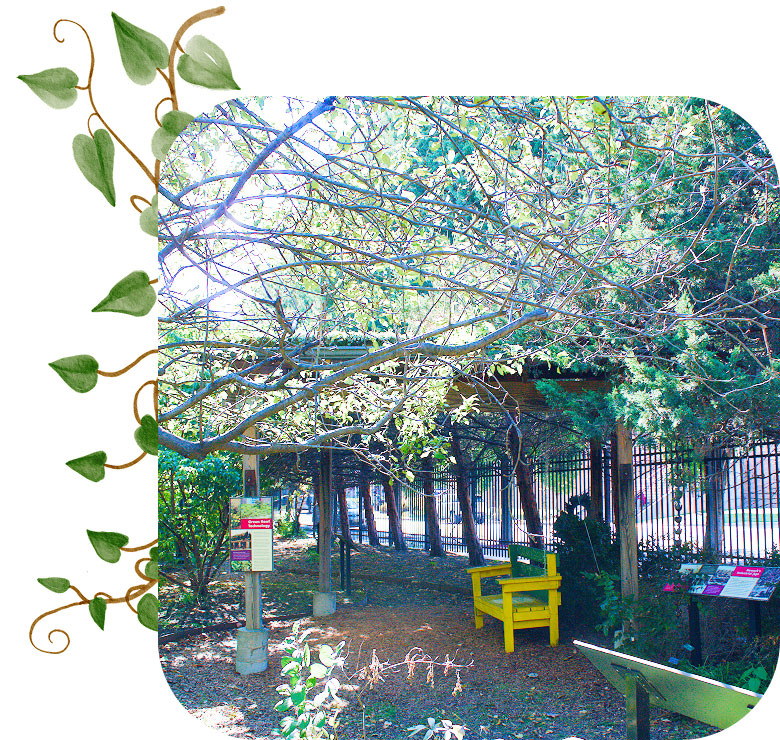
Green Roofs
Our green roof installations demonstrate how plants can be grown on rooftops to help reduce urban heat, manage stormwater, and support biodiversity in cities.
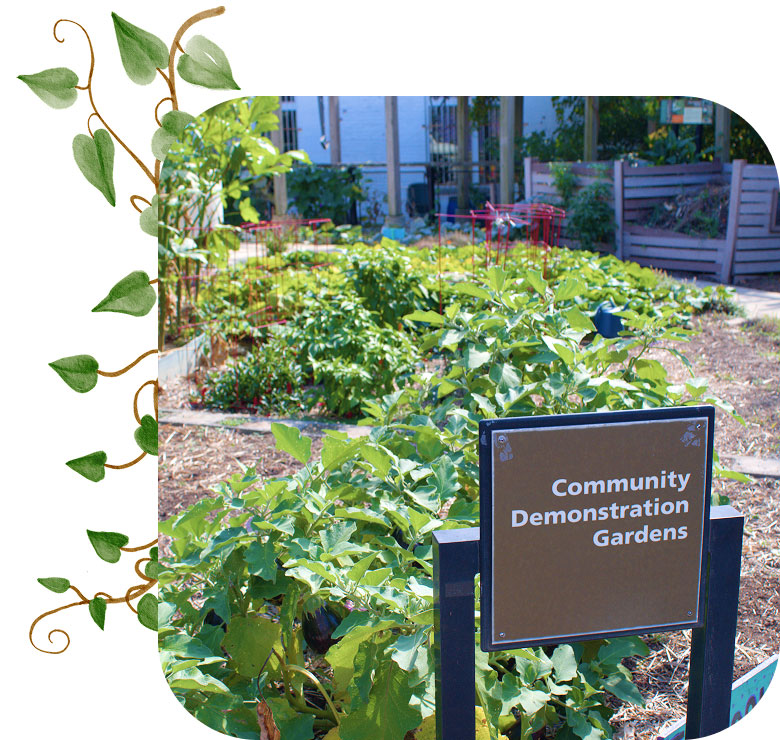
Demonstration Garden
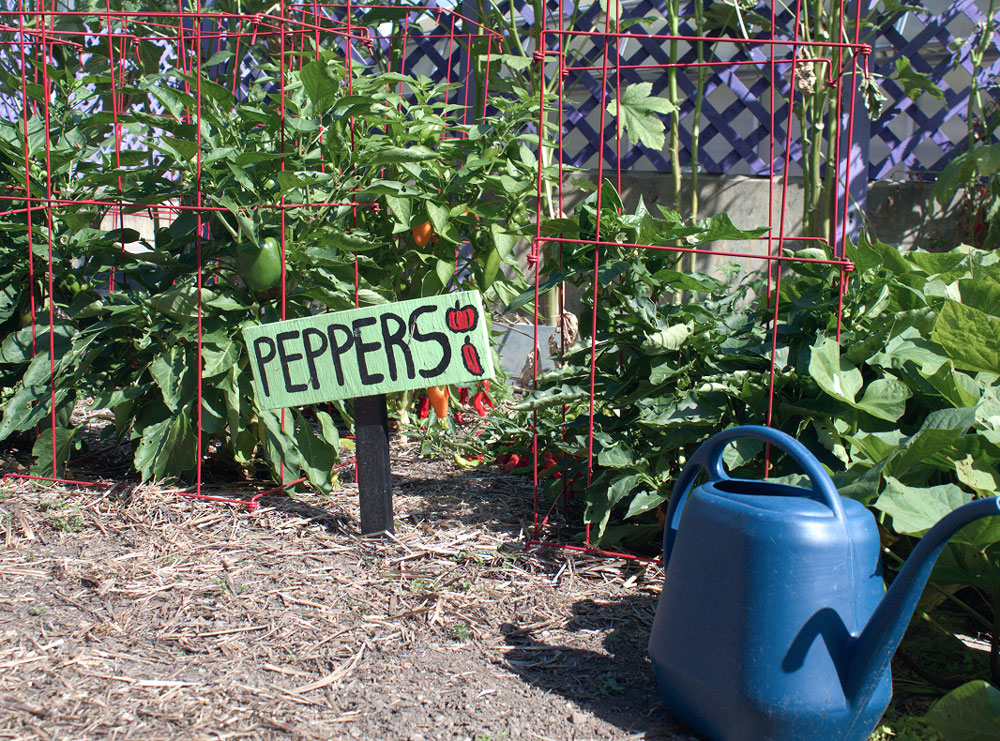
The Demonstration Garden is used by the Conservancy's education team to teach vegetable growing techniques, composting, and sustainable gardening practices.
Chicken Coop
Greater Newark Conservancy's Chicken Coop. Remembering Ginger the Chicken.
Pond & Riparian Habitat
The pond ecosystem supports a variety of wildlife including fish, frogs, turtles, and dragonflies.
Surrounded by native moisture-loving plants, this habitat also provides drinking water for birds and small mammals.
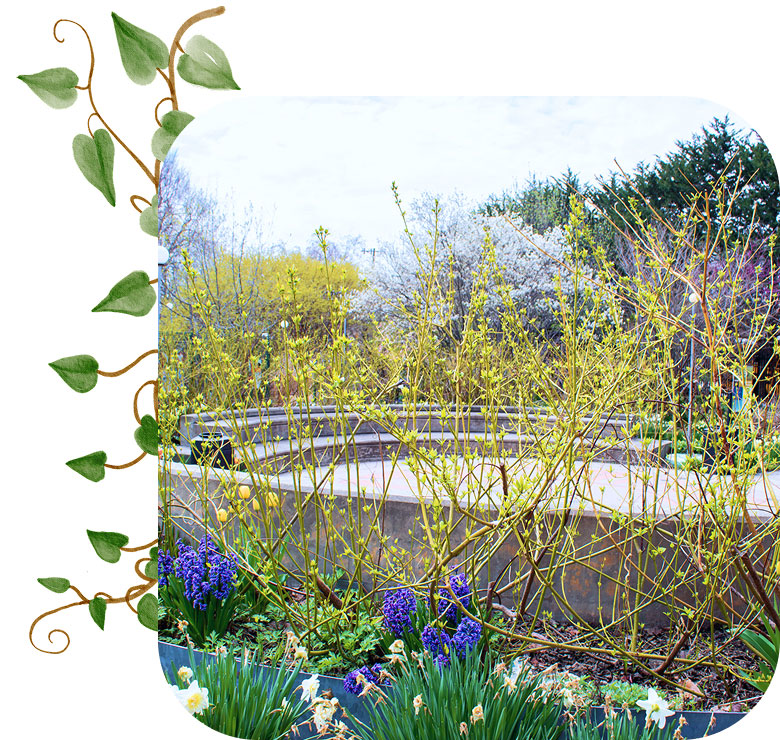
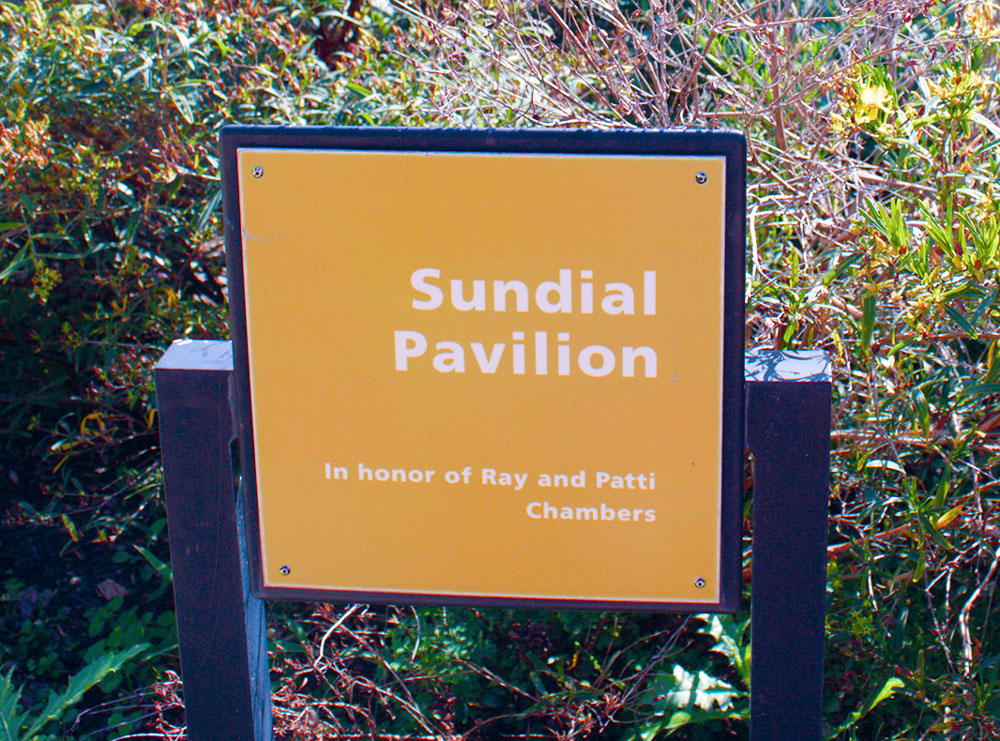
Sundial Garden
The plants surrounding our functioning sundial thrive in full sunlight, featuring native grasses and meadow flowers that flourish in open environments.
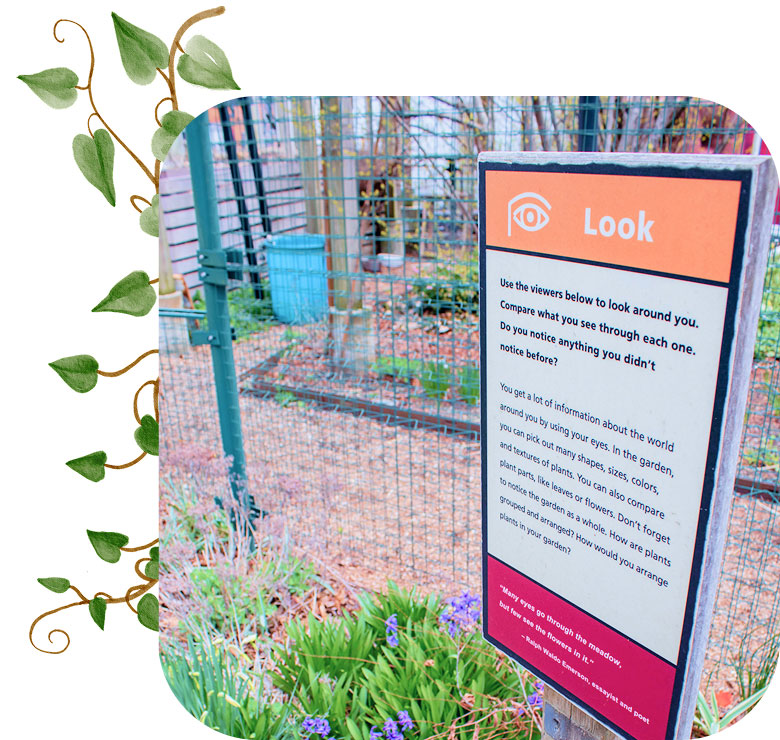
Sensory Adventure Garden
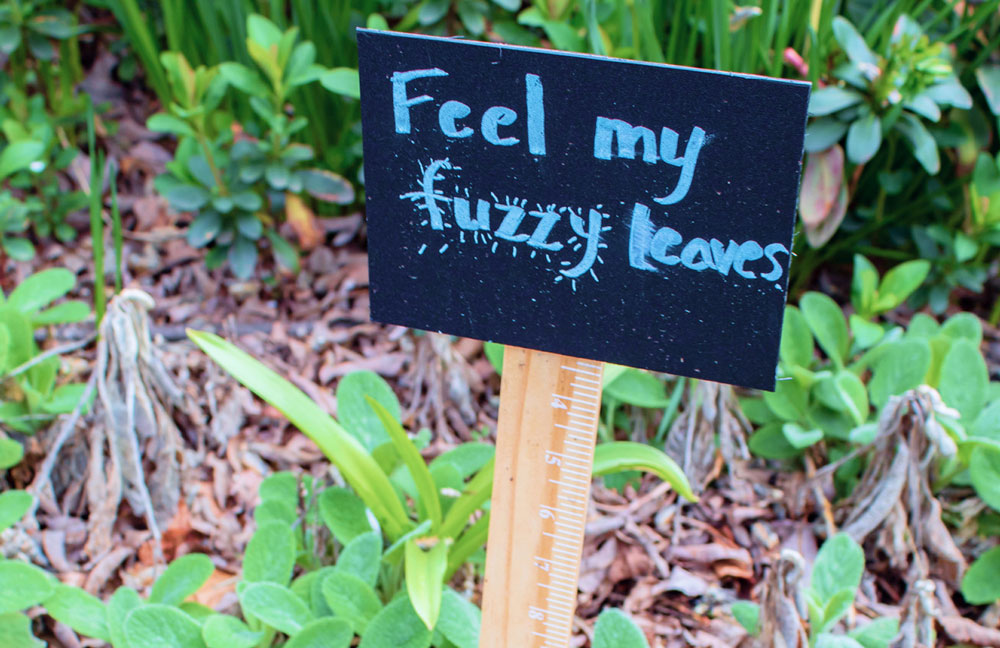
This interactive garden encourages visitors to experience plants through sight, sound, smell, and touch.
Look for bright colors and unusual shapes, touch textured leaves and stems, and listen to grasses and seedpods move with the wind.
Herb Garden
This garden features a mix of annual and perennial culinary and medicinal herbs, offering a hands-on opportunity to explore how plants are used for cooking, wellness, and traditional remedies.
Green Roofs
Our green roof installations demonstrate how plants can be grown on rooftops to help reduce urban heat, manage stormwater, and support biodiversity in cities.
Woodland Garden
A peaceful collection of trees, shrubs, and shade-loving woodland flowers wraps around the Environmental Center, creating a cool and calming natural habitat. This includes the Nature of Newark Trail and the Wildlife Gallery.
Explore the Themed Gardens at the OLC. Each garden area at the OLC highlights a different aspect of urban agriculture, native plants, sustainability, and environmental education. Visitors can explore these spaces through the interactive map above.

Explore the garden through our Self-Guided Plant ID Tour.
Look for numbered markers throughout the OLC and discover a rotating seasonal selection of plants.
Each marker highlights a unique plant growing in the garden along with information about its characteristics, habitat, and role in the ecosystem.
If you are interested in learning more about any plants in the garden, send a picture to Suliama Elemam at suliama@greaternewark.org for more information.
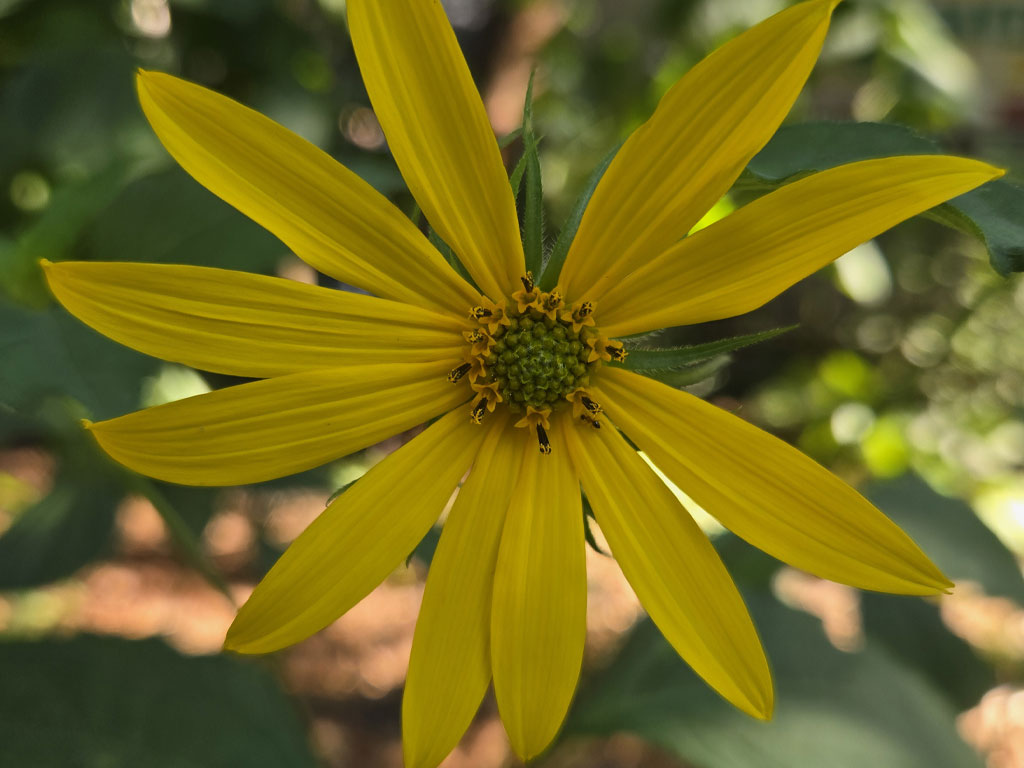
1. Thinleaf Sunflower
(Helianthus decapetalus)
Located along the woodland trail. This sunflower doesn’t require very much sun at all. You’ll find it in the dappled shade of our woodland garden where it is providing high-value food for pollinators, birds and mammals late into the season. In the wild, it grows along streambanks and on the edges of swampy woods.
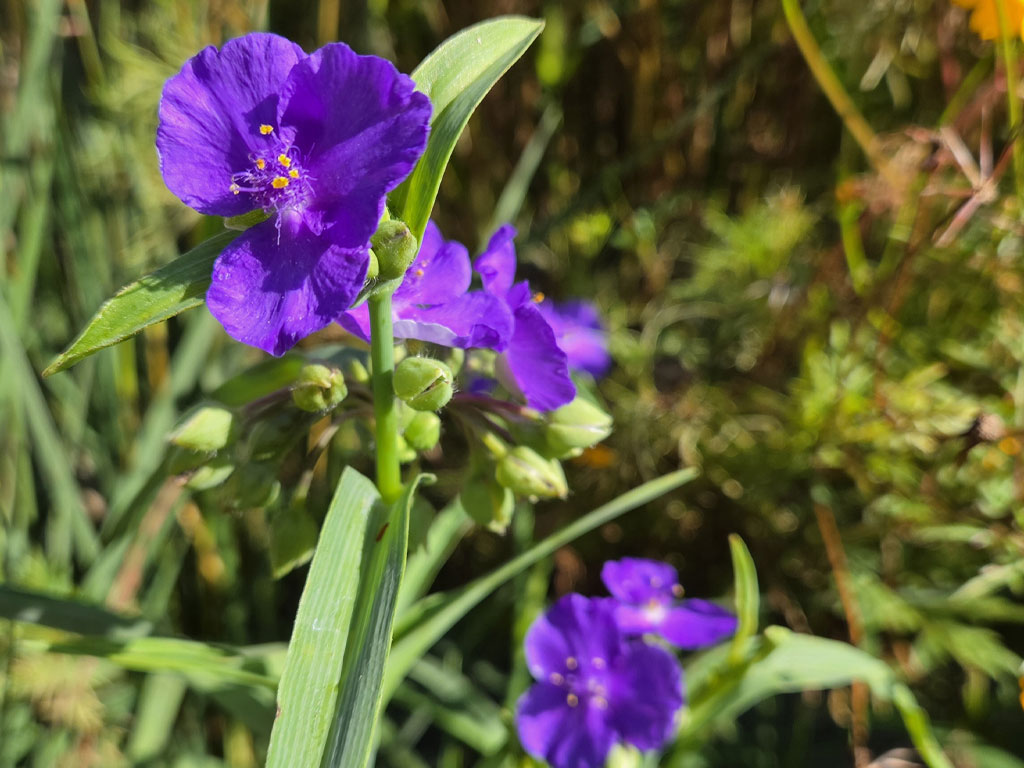
2. Ohio Spiderwort
(Tradescantia ohiensis)
Located in the beds by the sundial. We first saw the purple, three-petaled blooms of this flower in the late spring. We cut them back after blooming, and now they’re back for fall. Spiderwort is a tough, adaptable and reliable plant, a great nectar source for bees and a larval host for several species of moth.
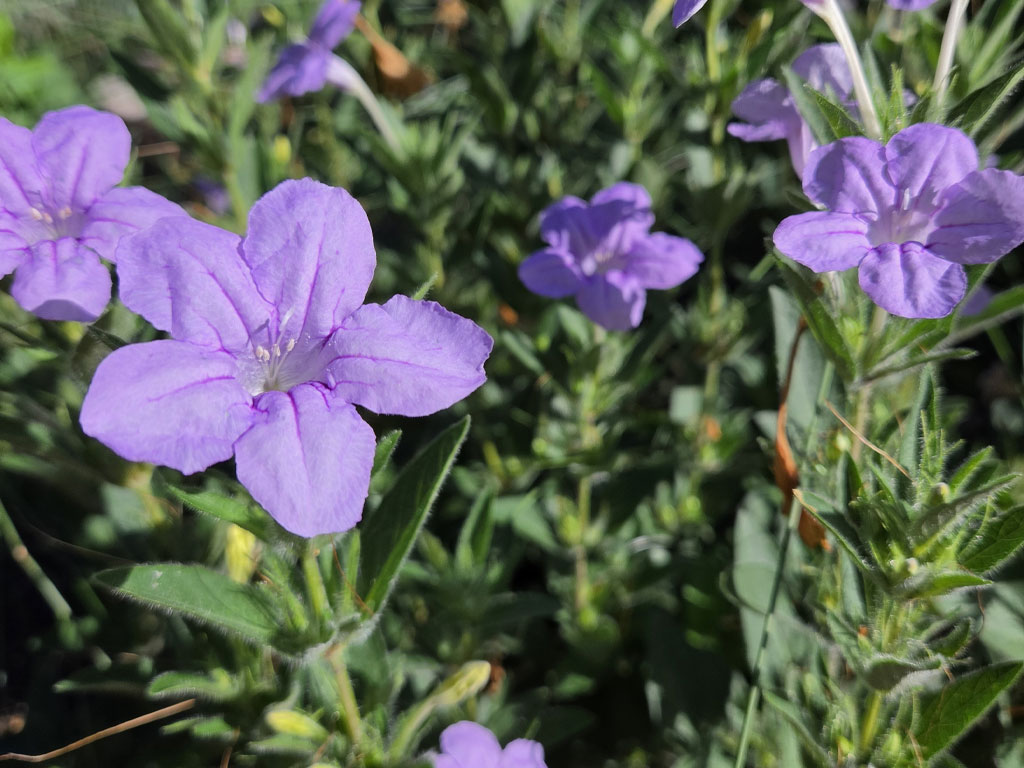
3. Wild Petunia
(Ruellia humilis)
Located along the edge of the meadow. This low-growing, drought-tolerant plant is not really a petunia. It puts out prolific, purple, tubular flowers from late Spring through the Fall and provides nectar for long-tongued bees, butterflies and hummingbirds.
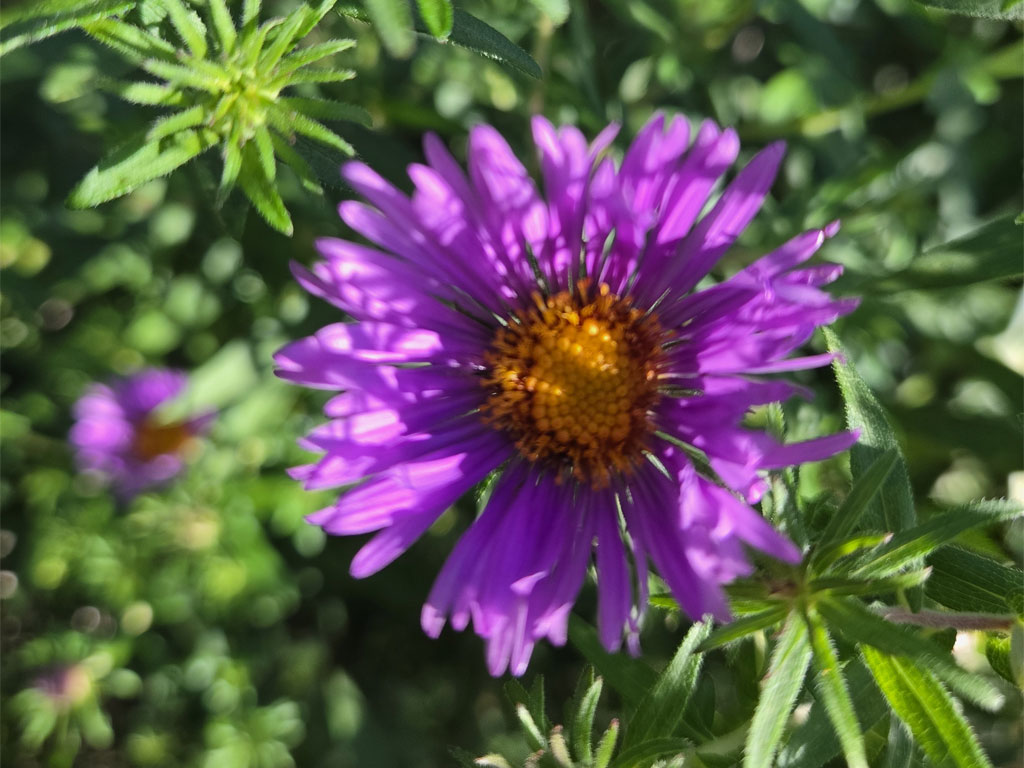
4. New England Aster
(Symphyotrichum novae-angliae)
Located in the meadow. New England Aster is filling up with brilliant purple blooms just as many other plants are beginning to fade. Plants in this genus are crucial to our ecosystem, providing nectar and pollen very late in the season and serving as a larval host to over 100 species of moths and butterflies. This species hosts the Pearl Crescent butterfly.
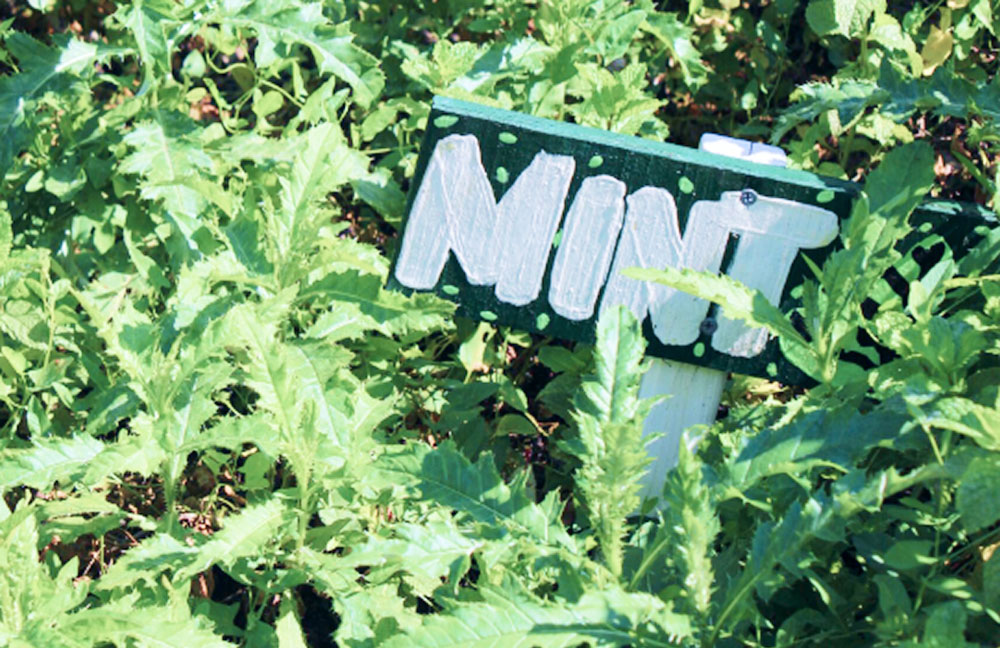
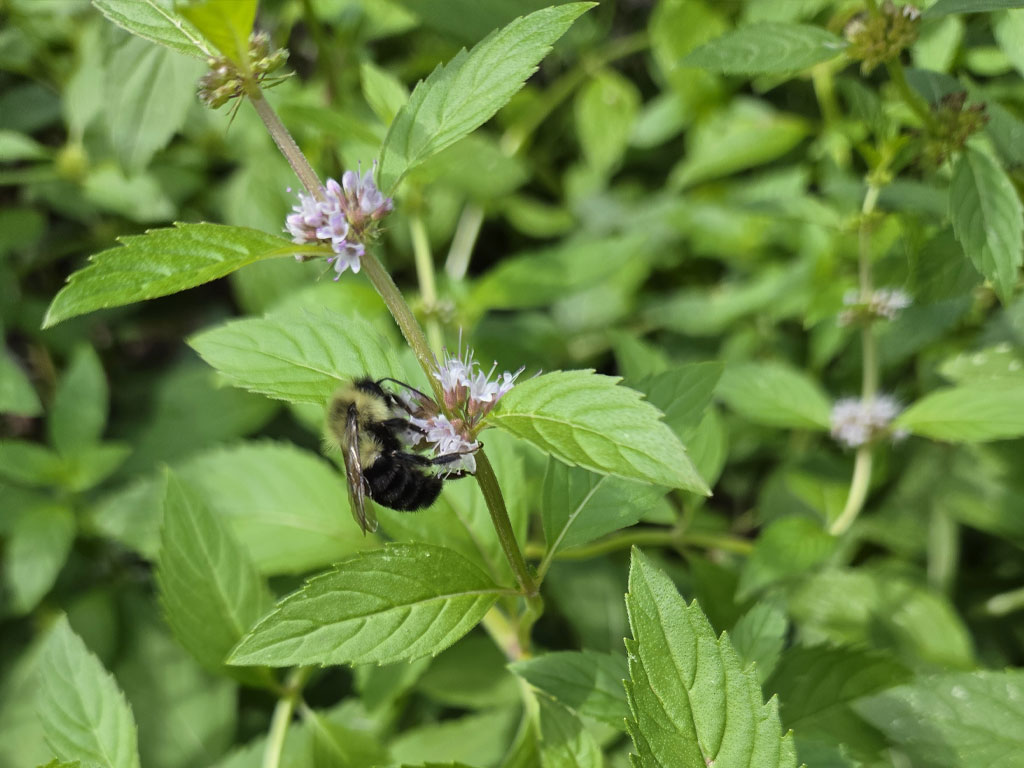
5. Wild Mint
(Mentha arvensis)
Located in the Sensory Garden “Smell” Gallery. Wild mint (or Corn Mint) is a little different from the mint species we typically buy in the grocery store. It is native around the globe and grows wild on streambanks, in wet prairies and disturbed soil. It is used commercially to extract menthol for pharmaceuticals and flavoring.
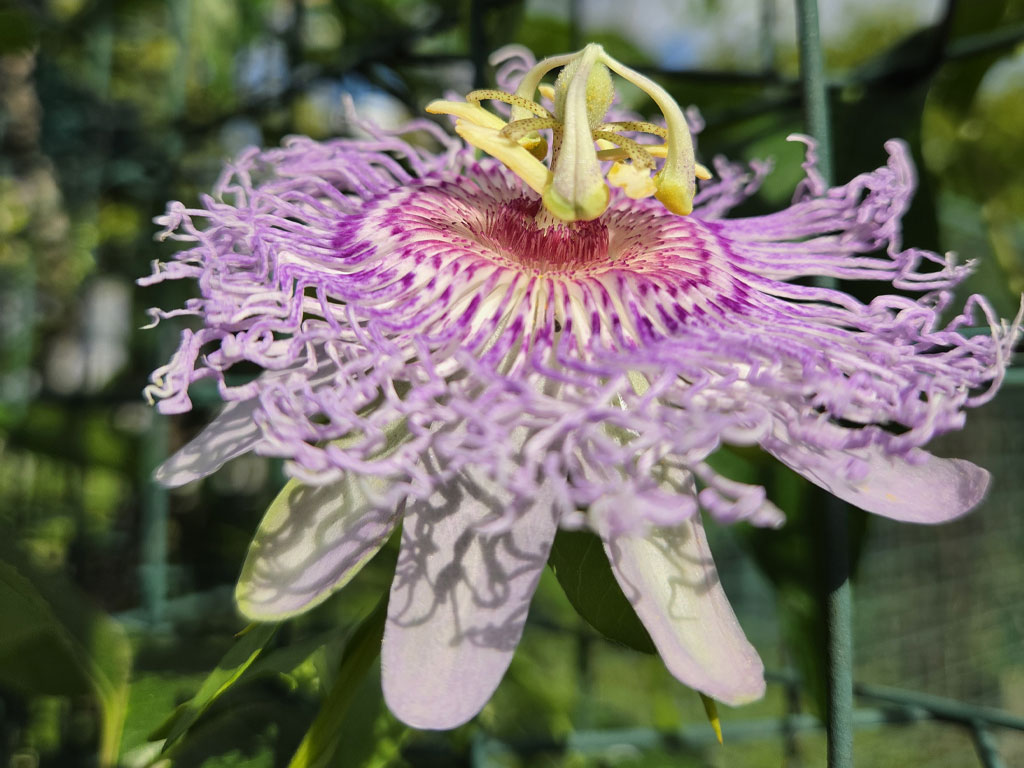
6. Maypop Passionfruit
(Passiflora incarnata)
Located in the Sensory Garden “Taste” Gallery. Maypop is a cold hardy species of passionfruit native to the Southeastern part of North America. This vine is an extremely vigorous grower, producing prolific blooms throughout the Spring and Summer and delicious fruit in the Fall. But don’t eat the fruit until it falls off the vine. The Gulf Fritillary Butterfly, the Red-Banded Hairstreak and many more species of lepidoptera lay their eggs on this plant.

Watch birds visiting the OLC in real time.
Our bird feeder camera provides a live look at the native birds that visit the garden throughout the year, offering a unique opportunity to observe local wildlife up close.


(Section coming soon)
This section will highlight the bees and pollinator habitats supported by the OLC and the important role pollinators play in our ecosystem.